Other Writing

Resentments and Emotional Regulation During Twelve Step Work Resentments

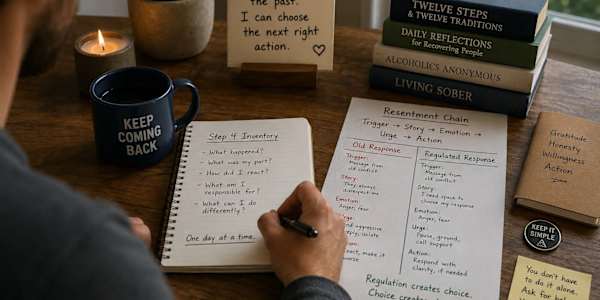
Resentments can be some of the most persistent emotional challenges in addiction recovery, often keeping us connected to past hurts, unresolved conflicts, and patterns of thinking that threaten our peace of mind. During Twelve Step work, learning to recognize and understand these feelings is an important part of developing emotional sobriety. This Recovery4Life article explores the relationship between resentments, emotional regulation, and personal growth throughout the Twelve Steps....

Craving Response Playbook: Practical Action Steps in Early Recovery

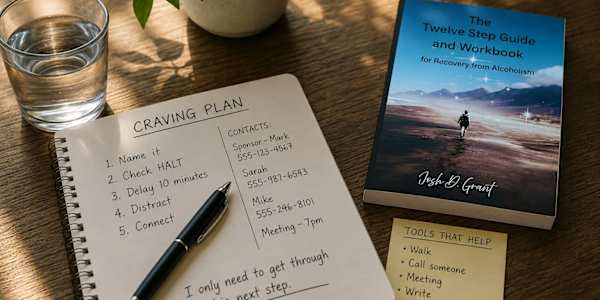
Cravings can appear unexpectedly during early recovery, sometimes triggered by stress, uncomfortable emotions, familiar environments, or seemingly ordinary situations. When the urge to drink or use drugs becomes intense, having a practical plan can make the difference between reacting impulsively and making a healthier choice. This Recovery4Life article explores how to develop a personal craving response playbook with actionable strategies for navigating high-risk moments. Discover how to...

Staying Sober by Carrying a Message of Hope to Others One of the most

One of the most powerful ways to strengthen our own recovery is by helping others who are still struggling with addiction. The Twelfth Step reminds us that carrying a message of hope is more than an act of service; it is an essential part of maintaining our own spiritual growth and emotional sobriety. This Recovery4Life article explores how sharing our experiences, offering encouragement, sponsoring newcomers, and participating in recovery service work can deepen our commitment to lasting...

Designing Simple Reflection Prompts for Early Recovery Evenings The quiet

The quiet hours of the evening can be especially challenging during early recovery, when the distractions of the day fade and uncomfortable thoughts, emotions, or cravings begin to surface. Developing a simple nightly reflection practice can help turn these moments into opportunities for greater self-awareness, emotional regulation, and personal growth. This Recovery4Life article explores how to create meaningful evening reflection prompts that encourage honesty, gratitude, accountability,...

Emotional Sobriety When Recovery Becomes Routine: How to Avoid Drifting

As recovery progresses and life becomes more stable, the daily practices that once felt essential to staying sober can gradually begin to feel optional. Meetings become less frequent, contact with a sponsor decreases, and the spiritual principles that helped us through early sobriety may slowly fade into the background. This Recovery4Life article explores the subtle dangers of complacency and emotional disconnection when recovery becomes routine. Discover how to recognize the warning signs of...

How to Quit Drinking When Your Spouse Still Drinks Deciding to quit

Deciding to quit drinking is a major step toward a healthier life, but what happens when your spouse or partner continues to drink? Navigating sobriety in a household where alcohol is still present can create unique challenges, from managing cravings and avoiding triggers to setting boundaries and maintaining a healthy relationship. This Recovery4Life article explores practical strategies for protecting your sobriety while respecting your partner's individual choices. Discover how honest...

Loneliness, Connection, and Cravings: Using Sober Relationships for

Loneliness can be one of the most overlooked challenges in addiction recovery, especially when the relationships and social routines associated with drinking or drug use are no longer part of everyday life. Feelings of isolation, disconnection, and emotional discomfort can intensify cravings and make maintaining sobriety more difficult. This Recovery4Life article explores the powerful connection between loneliness, emotional regulation, and relapse prevention. Discover how building healthy...

Alcohol Use Disorder and GLP-1: What the New VA Study Could Mean for

Could medications originally developed for diabetes and weight management offer new possibilities for treating alcohol use disorder? Emerging research into GLP-1 medications is raising important questions about their potential effects on alcohol cravings, drinking behavior, and the brain's reward system. This Recovery4Life article explores what a new Veterans Affairs (VA) study could mean for people struggling with alcohol use disorder and the professionals who support them. Discover how...

Emotional Sobriety After the Storm: Staying Connected When Life Feels Fine

When the chaos of active addiction begins to fade and life becomes more stable, it's easy to believe that the hardest part of recovery is behind us. But what happens when things are going well and the urgency that once motivated us to attend meetings, work the Twelve Steps, and stay connected to others begins to disappear? This Recovery4Life article explores the importance of maintaining emotional sobriety even when life feels comfortable and manageable. Discover how complacency, emotional...

From Resentment Lists to Emotional Insight: Rethinking Step 4 Moral

Step Four of the Twelve Steps asks us to take a searching and fearless moral inventory, but the process involves much more than simply making lists of resentments, fears, and past mistakes. Beneath those experiences often lie deeper emotions, unresolved conflicts, and patterns of thinking that influence our relationships and behavior. This Recovery4Life article explores how approaching Step Four with curiosity, honesty, and emotional awareness can transform a traditional moral inventory into...

Building a Personal Sobriety Toolkit for High-Risk Moments at Home Recovery

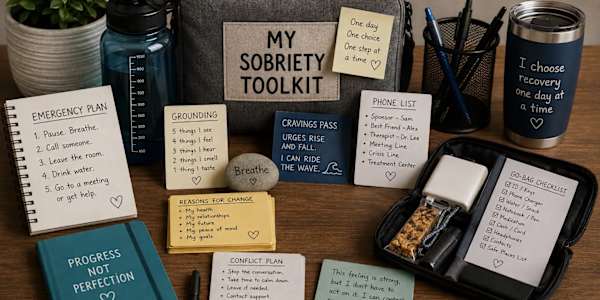
Recovery doesn't always happen in the safety of a treatment center or the supportive environment of a meeting. Sometimes, the greatest challenges arise at home, where stress, loneliness, boredom, and familiar triggers can threaten sobriety. This Recovery4Life article explores how to build a personal sobriety toolkit filled with practical strategies for navigating high-risk moments. From identifying triggers and managing cravings to developing coping skills, creating a support network, and...

From rehab to home: integrating Twelve Step work into sober living routines

Leaving rehab and returning home is an important milestone in recovery, but the transition can bring new challenges, responsibilities, and temptations. How do you maintain the progress you've made in treatment while adjusting to everyday life? This Recovery4Life article explores practical ways to integrate Twelve Step work into daily sober living routines, including attending meetings, working with a sponsor, practicing spiritual principles, building healthy habits, and staying connected to a...

Questions people ask during their first 90 days of early recovery The first

The first 90 days of sobriety can bring unexpected challenges, difficult emotions, and plenty of questions. Is it normal to still experience cravings? Why does recovery sometimes feel harder instead of easier? What happens if you slip? This Recovery4Life article explores common concerns during early recovery, offering practical guidance on managing cravings, building healthy routines, navigating relationships, finding support, and developing a sustainable recovery program. Discover why...