Personal inventory is one of the most valuable practices in Twelve Step recovery, offering an opportunity to examine our thoughts, emotions, behaviors, and relationships with greater honesty and self-awareness. While Step Four introduces the searching and fearless moral inventory, Step Ten encourages us to continue practicing self-examination as part of everyday life. This Recovery4Life article explores how developing practical personal inventory skills can help us recognize unhealthy thinking patterns, identify emotional triggers, take responsibility for our actions, and make meaningful changes in recovery. Discover how reflection, journaling, honest self-assessment, and guidance from a sponsor can transform personal inventory from an occasional exercise into a valuable habit for emotional and spiritual growth. Learn why effective self-examination isn't about dwelling on mistakes, assigning blame, or criticizing ourselves, but about recognizing patterns, acknowledging progress, and becoming willing to make corrections when necessary. By incorporating personal inventory into our daily routines, we can strengthen emotional sobriety, improve relationships, and develop the awareness and accountability that support lasting recovery.
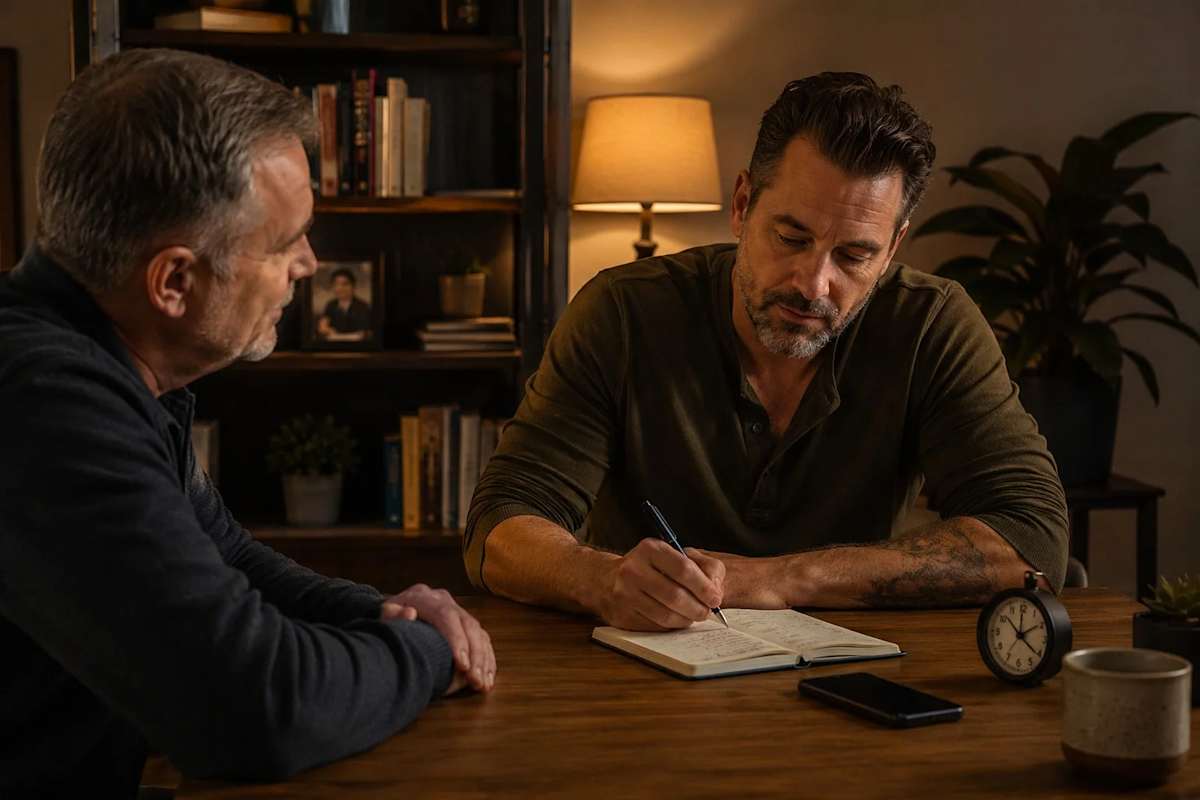
Teaching Personal Inventory Skills: Practical Reflection Tools for Sponsors and Clinicians