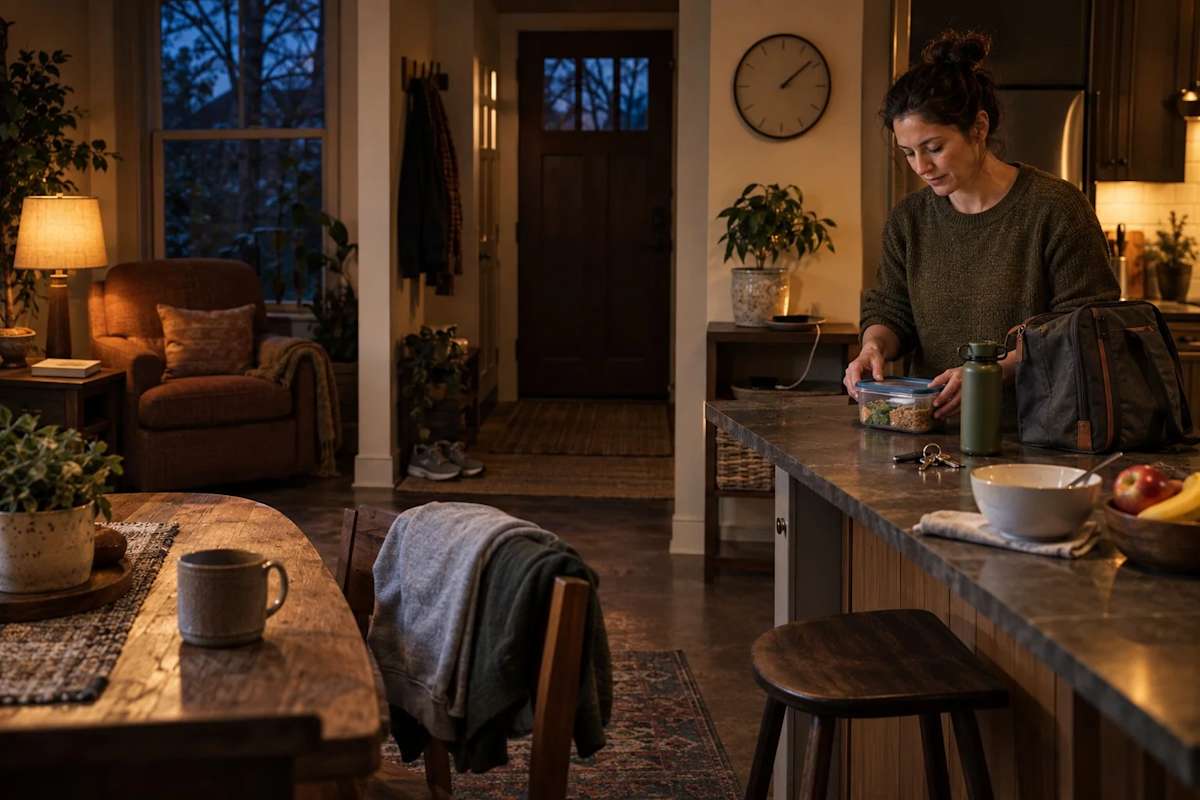
Building a sustainable recovery program requires more than avoiding alcohol or drugs; it involves creating daily habits that support emotional stability, healthy decision-making, and meaningful personal growth. Without structure, unplanned time, stress, and familiar triggers can increase vulnerability to cravings and relapse, particularly during early sobriety. This Recovery4Life article explores how to design a relapse-resistant daily routine that helps make recovery an intentional part of everyday life. Discover how consistent sleep schedules, nutritious meals, physical activity, mindfulness, recovery meetings, and regular contact with sponsors or supportive peers can provide stability during challenging moments. Learn how morning planning, emotional check-ins, personal inventory, and evening reflection can help identify warning signs, strengthen coping skills, and reinforce Twelve Step principles throughout the day. A relapse-resistant routine isn't about controlling every moment or eliminating uncertainty; it's about developing flexible, practical habits that make healthier choices easier when life becomes difficult. By building structure around your physical, emotional, social, and spiritual needs, you can create a daily foundation that supports long-term sobriety and a more balanced, fulfilling life.